*This post contains affiliate links.
Hi everyone, it’s Twilife.
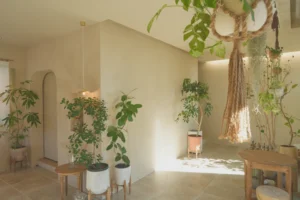
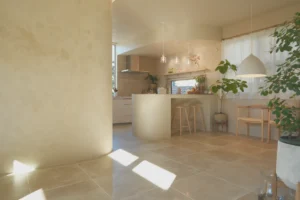
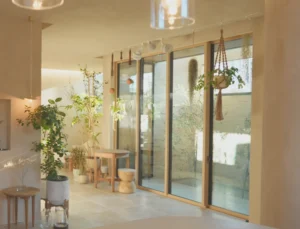
We receive so many comments saying our home photos remind people of a European villa, a cozy cafe, or a chic interior shop. As people who poured our hearts and souls into designing this house, that makes us incredibly happy.
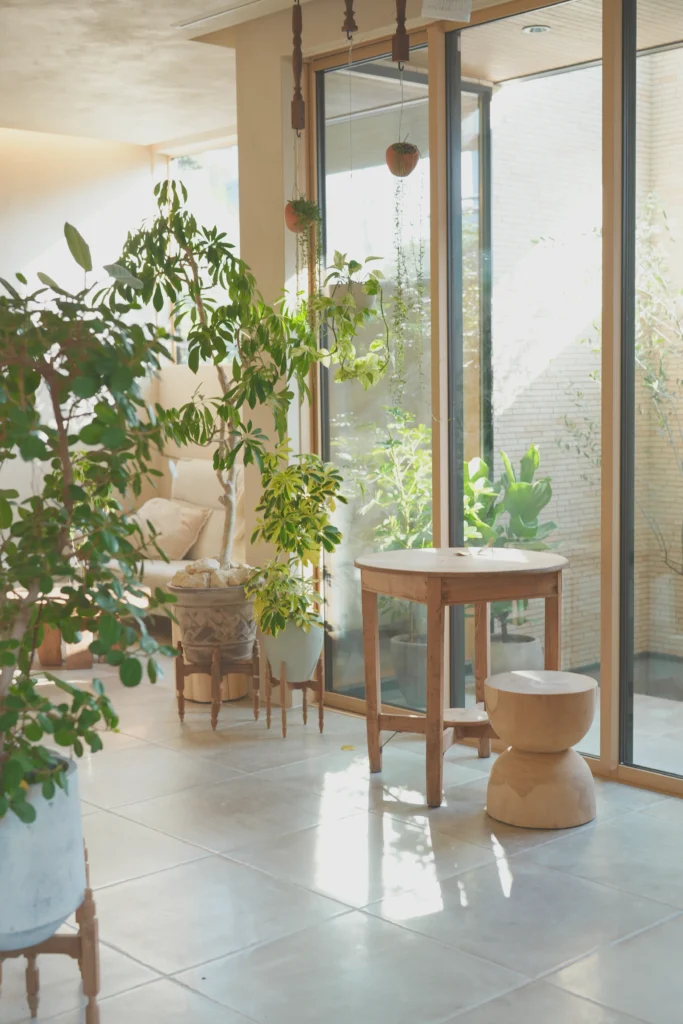
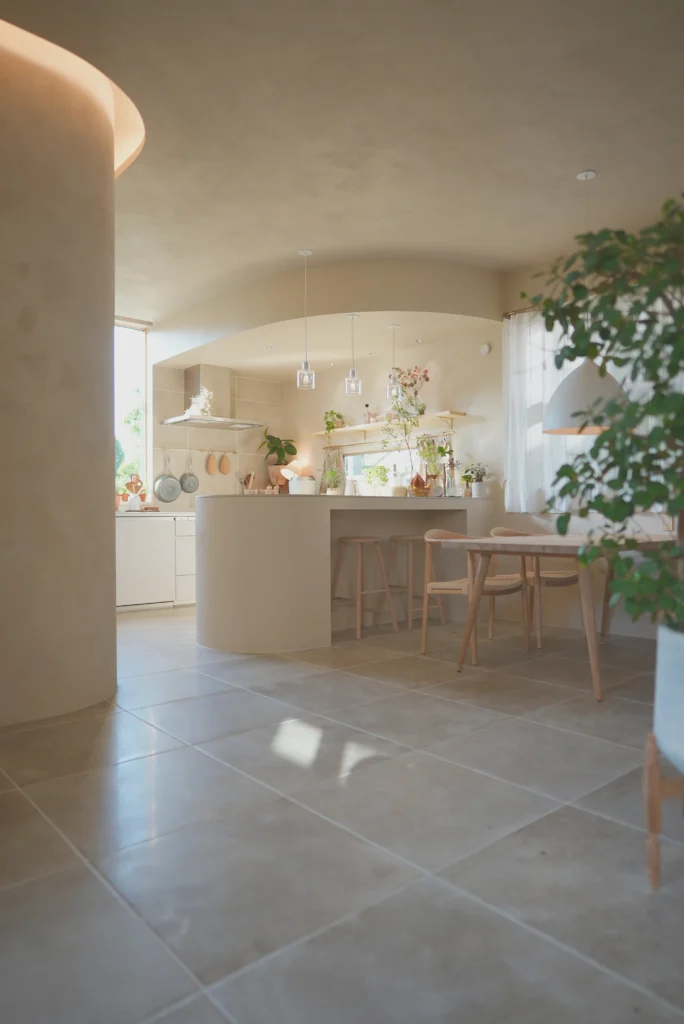
Today, I’d like to share the books and magazines that were absolutely essential in bringing this home to life.
We live in an era where you can get endless home-building tips for free through Instagram, YouTube, Pinterest, and blogs.
At first, we also relied heavily on social media to gather information, but eventually, we hit a wall.
Why You Should Learn from Books and Magazines
Web searches and social media are fantastic for gathering broad, surface-level knowledge.
However, because algorithms feed you “what’s popular” or “posts that match your existing tastes,” the information you see inevitably becomes homogenized, leading to a biased perspective.
Keep in mind that YouTube videos often include biased opinions driven by sponsorships, and many online articles are just secondary information that someone else Googled and summarized. While convenient, I don’t recommend taking everything you see online at face value.
We definitely went through a phase where we felt lost in a sea of information.
During that time, it was books and magazines that saved us.
While visiting the “ARTWORK STUDIO” showroom to look for lighting, we casually flipped through a magazine on display. In that one sitting, we discovered exponentially more information and design examples than we had ever found through the internet and social media.
Information that professional editors have spent countless hours and money carefully interviewing and curating is full of serendipitous discoveries—encounters with styles you didn’t even know you loved.
If you’re serious about building a house, I highly recommend picking up at least a few physical books or magazines.
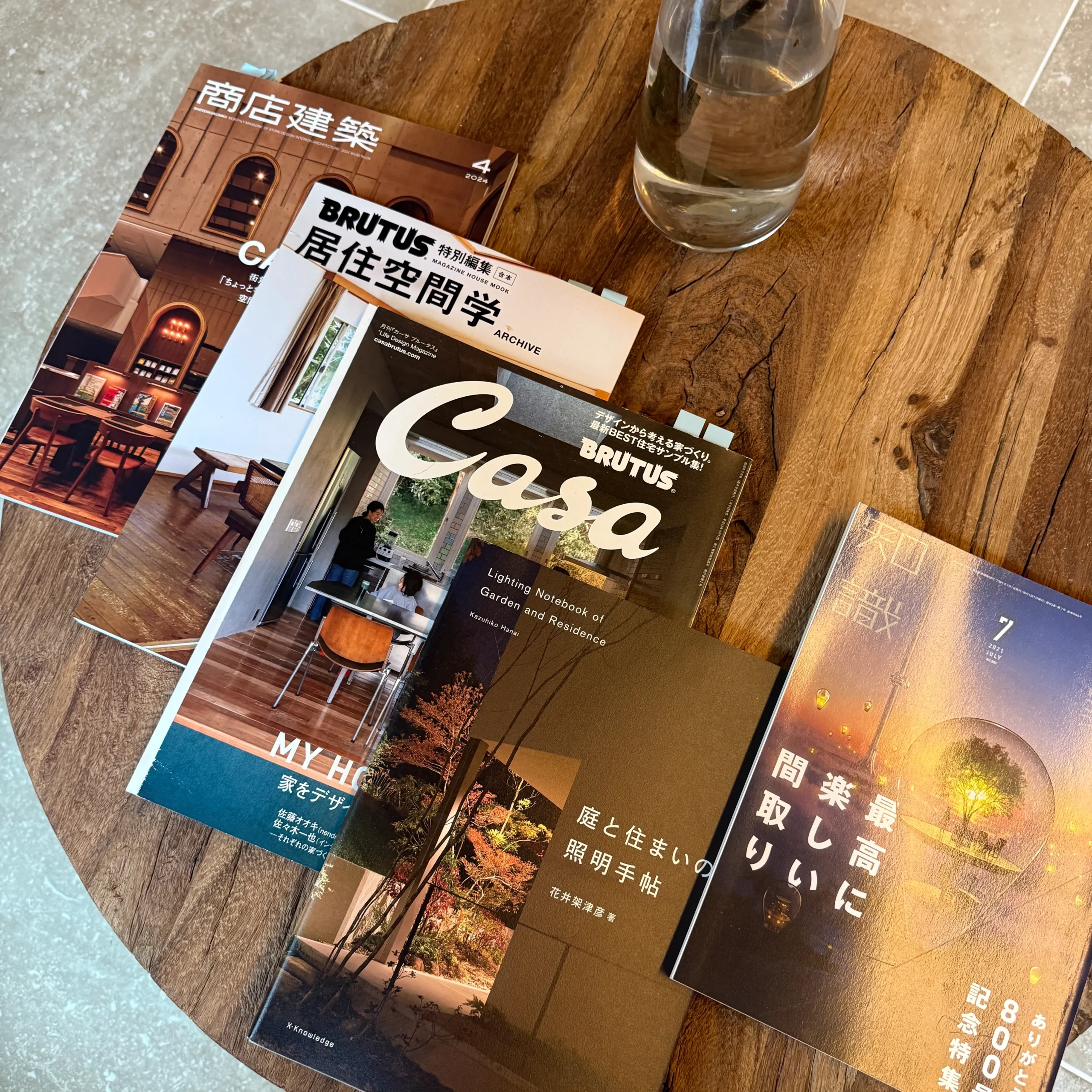
Today, I’ll introduce four specific publications that we heavily referenced.
Our Home-Building Compasses
Discovering Your Style: Casa BRUTUS
Back when we had absolutely no clear direction for our home design, we bought several back issues of Casa BRUTUS (a popular Japanese architecture and lifestyle magazine) that featured interior design specials.
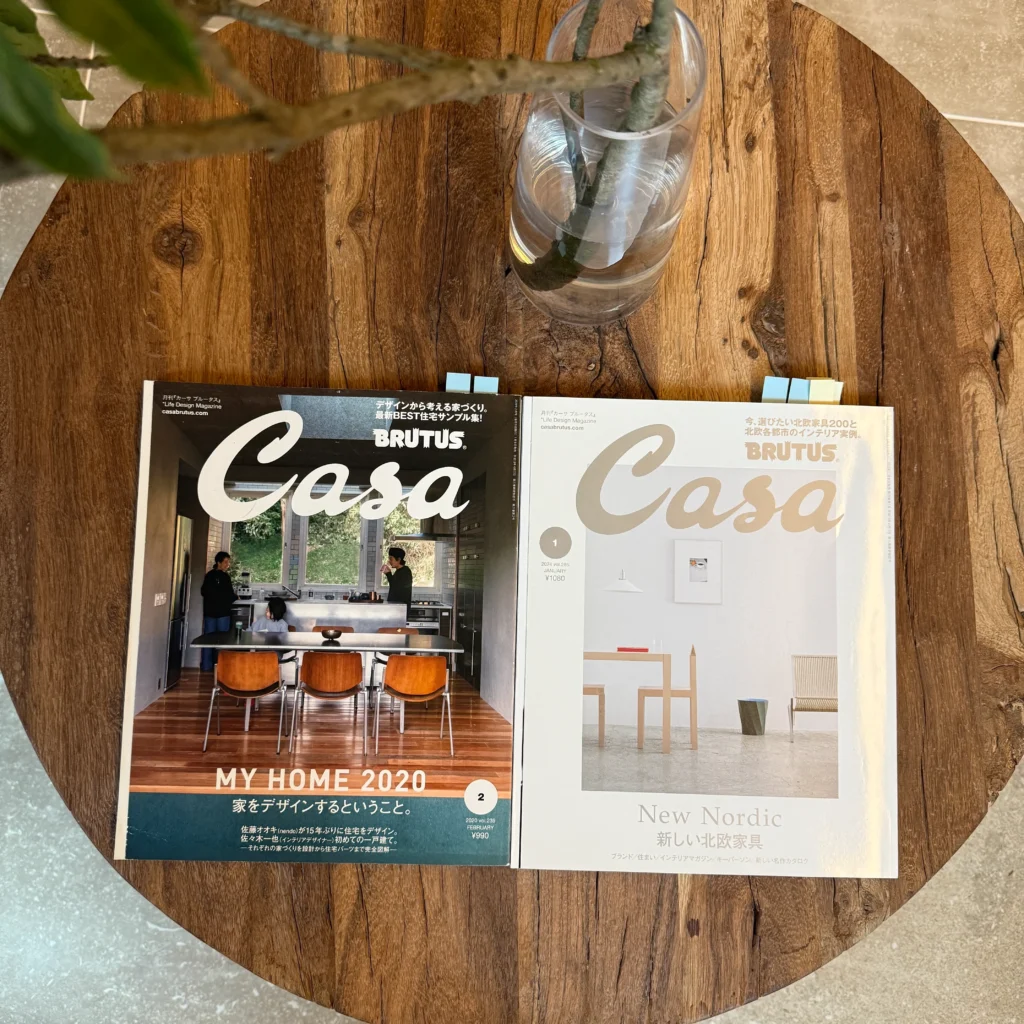
With every page turn, beautiful homes in various styles jumped out at us.
We communicated by sticking notes on pages, saying things like, “I want to live like this,” or “I love this texture.”
Thanks to this magazine, we were finally able to put our tastes into words:
we realized we were strongly drawn to a “vibe that feels like a home, but not too typical—more like a cafe or a boutique.”
Understanding Real-World Dimensions
Diagram-Rich: Kenchiku Chishiki (Architectural Knowledge)
At the beginning, we were complete amateurs when it came to home building, especially floor plans.
So, to learn about the different types of layouts and the spaces they create, we picked up “Kenchiku Chishiki” (Architectural Knowledge).
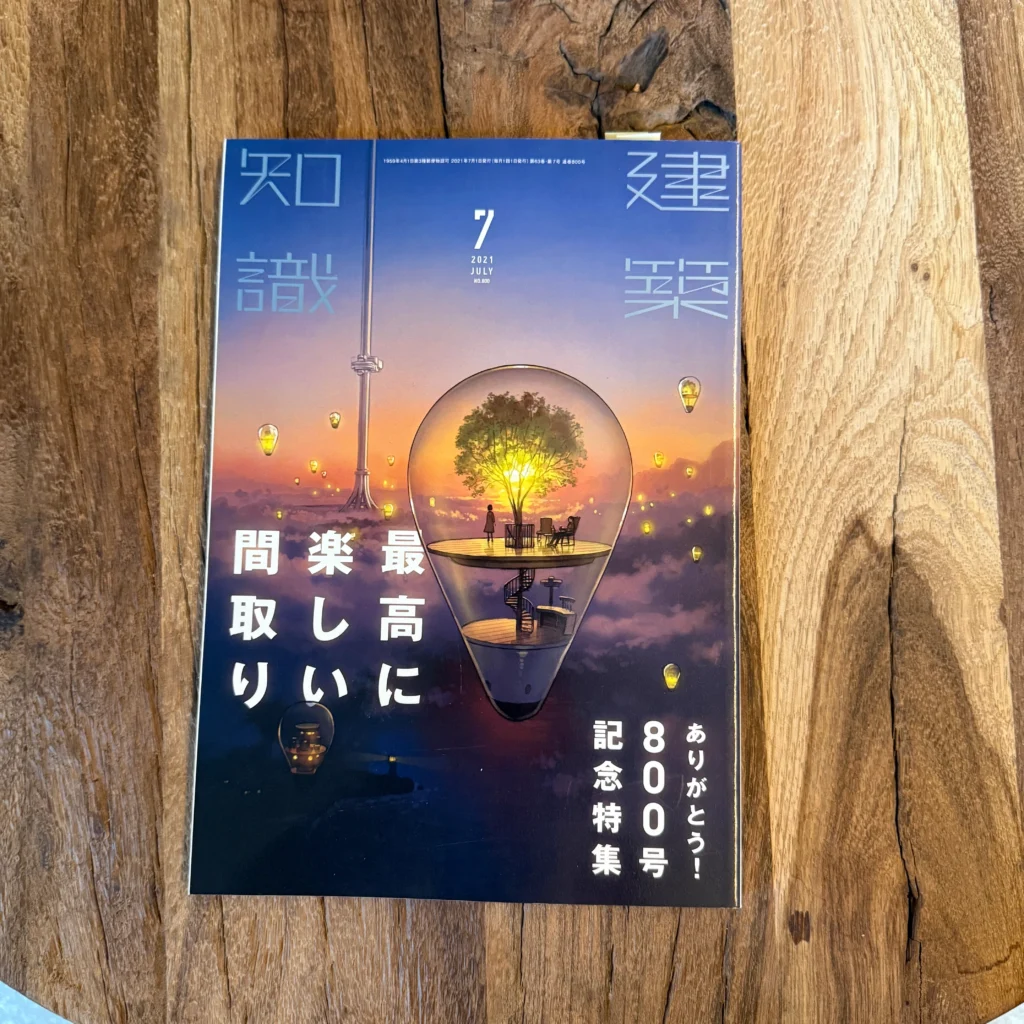
Even though it’s a specialized trade magazine, it’s packed with diagrams, making it incredibly easy for laypeople to understand.
It teaches you the “real-world numbers” that serve as the standard for human living spaces.
By learning specific dimensions—like “How wide should a hallway be for two people to pass?” or “What’s the optimal height for a counter table?” or “What’s a practical depth for a bookshelf?”—you can give your architect precise requests, such as, “I want this part 5cm wider.”
Exploring Authentic Spaces
Learning from the Pros: Shoten Kenchiku (Commercial Architecture)
When searching online for “cafe-style homes,” you’ll certainly find a lot of examples.
But honestly, we were struggling because most of them just looked like… normal houses.
So, we shifted our mindset: instead of looking at residential homes,
we decided to study the interior design of “actual cafes and commercial shops.”
This turned out to be a brilliant move.
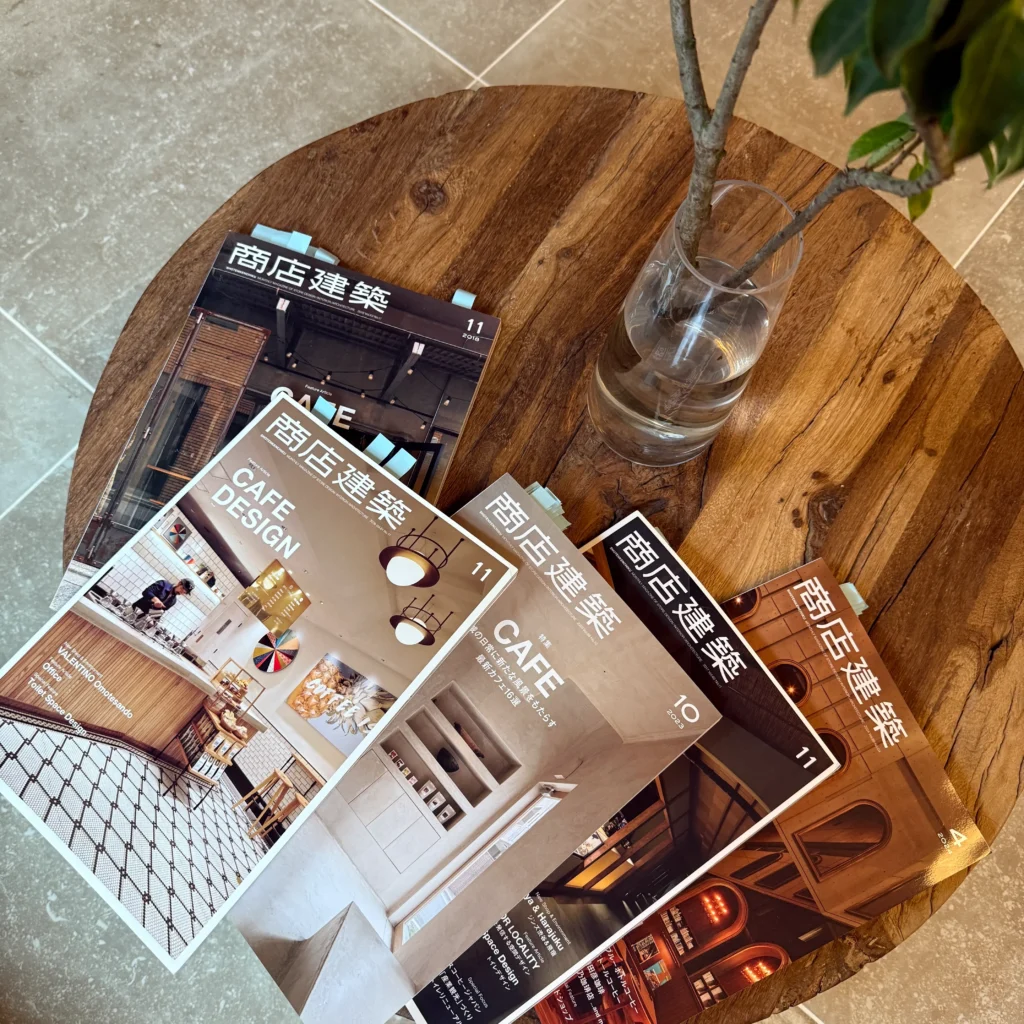
In “Shoten Kenchiku” (Commercial Architecture), you can study countless real-world examples of how to choose and display building materials, and how to create spaces that feel distinctly out of the ordinary.
Since it’s not a magazine for residential housing, there are plenty of materials that wouldn’t work in a normal home, so you can’t copy everything exactly. However, whenever we found something we loved, we consulted our architect and interior coordinator to find materials with similar textures or brainstorm ways to bring the idea to life.
As a result, our meetings became incredibly productive, and I feel this approach was instrumental in achieving our dream home.
The world is full of buzzwords like “hotel-like” or “cafe-style,” but it feels like there are surprisingly few residential examples that truly evoke that feeling from the bottom of your heart. I strongly felt that if you seriously want to replicate that vibe, you shouldn’t look at houses trying to mimic it—you should properly study actual hotels and stores.
Designing Light and Shadow
Lighting Handbook for Gardens and Homes
The last book I want to introduce is one that should essentially be called the “Textbook of Lighting Plans.”
It’s quite famous in Japan, so many people might already know it, but it was so incredibly helpful that I have to share it.
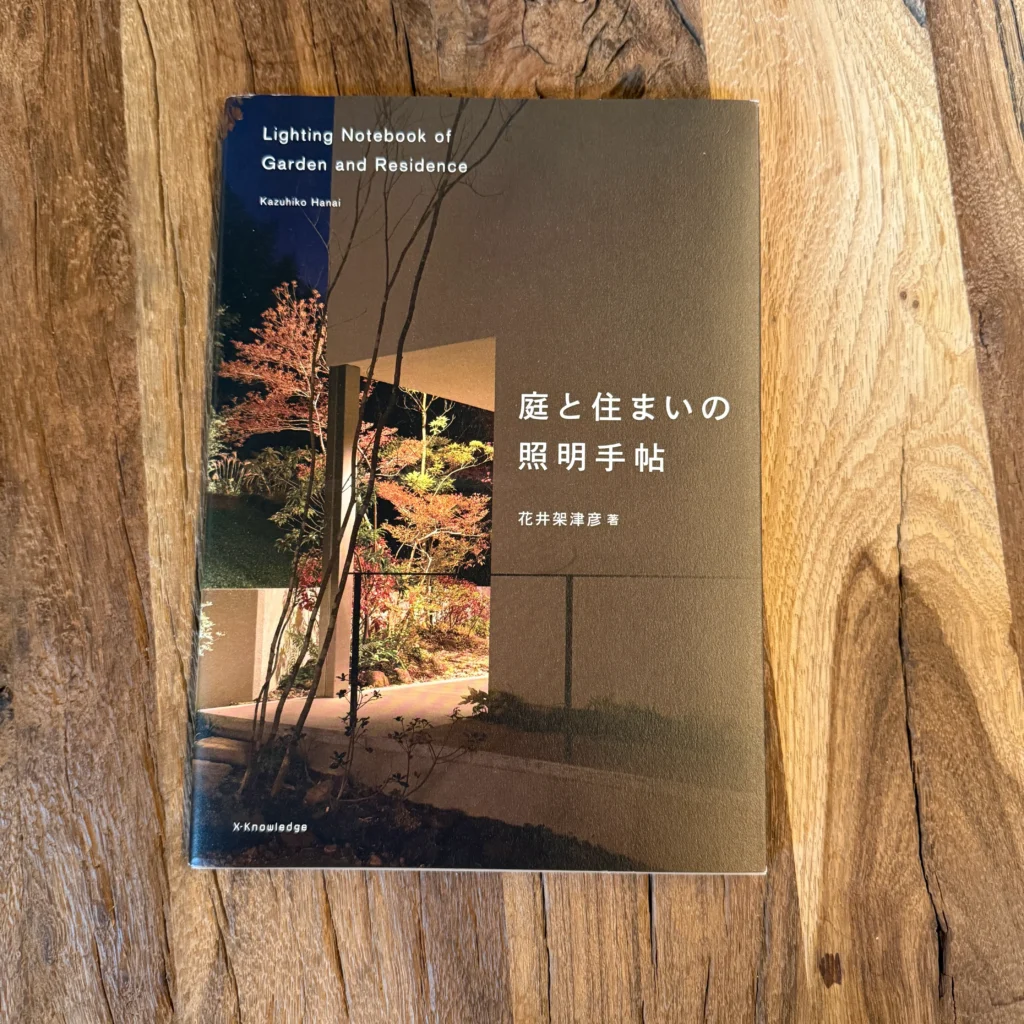
It covers basic lighting knowledge, of course, but it also comprehensively explains the fine details and precautions you need when installing linear lighting like cove and cornice lighting.
The pages that illustrate exactly how light hits a wall depending on the specific distance of a downlight from that wall were unbelievably useful. We actually used those diagrams as a reference to design the placement of all our downlights.
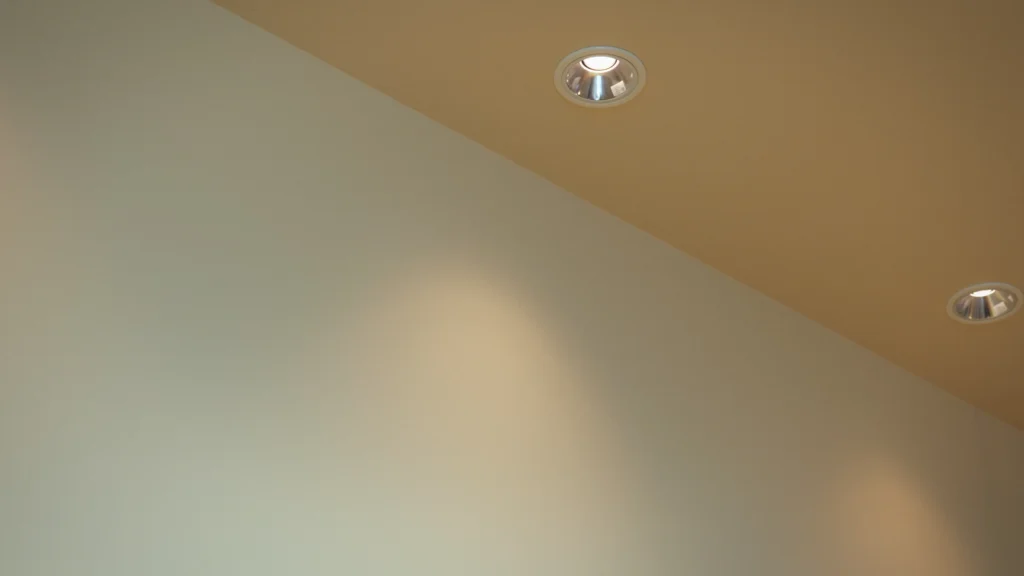
Furthermore, it’s packed with expert knowledge you won’t easily find elsewhere, like the relationship between garden design and lighting, and how to angle lights for different types of trees.
It’s a book we couldn’t let go of, as every single page was useful.
Conclusion
What do you think?
Precisely because we live in an age where information is so easily accessible, I feel that the deep knowledge and serendipitous discoveries you get from a single magazine or book can make your home-building journey richer and truly one-of-a-kind.
I hope your home-building journey turns out to be wonderful and free of regrets.
Please try looking for that one fateful book that inspires you!
\ Discover items that color our daily life /




Comments